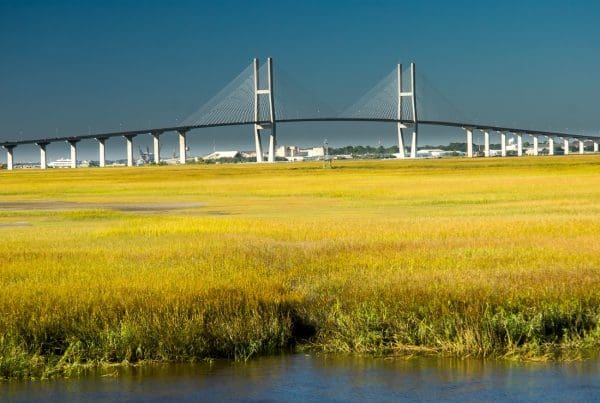

Hurricanes are a formidable force of nature, and for residents of Brunswick and Saint Simons Island, Georgia, being prepared is not just a recommendation—it’s a necessity. These coastal areas are particularly vulnerable to the impacts of hurricanes, which can include high winds, heavy rainfall, storm surges, and flooding. In this comprehensive guide, we’ll explore the essential steps you can take to protect your home, your family, and your peace of mind when a hurricane threatens.
Understanding the Risks
The Unique Challenges of Coastal Living
Living in Brunswick and Saint Simons Island offers beautiful scenery and a vibrant community, but it also comes with the risk of hurricanes. These storms can cause significant damage to homes and infrastructure, disrupt power and water supplies, and necessitate evacuation. Understanding the specific risks associated with your location is the first step in effective preparation.
Historical Context
Historically, the Georgia coast has experienced its share of hurricanes. While not as frequent as in some other areas, the storms that do hit can be severe. Reviewing past hurricanes and their impacts can provide valuable insights into what to expect and how to prepare.
Preparing Your Home
Reinforce Structures
One of the most effective ways to protect your home is by reinforcing its structure. This can include installing storm shutters over windows, reinforcing garage doors, and ensuring your roof is secure. Consider consulting with a professional to assess your home’s vulnerabilities and make necessary improvements.
Secure Outdoor Items
Before a hurricane hits, secure or bring inside any outdoor furniture, decorations, or equipment. These items can become dangerous projectiles in high winds.
Flood Protection
Given the potential for storm surges and flooding, it’s crucial to have sandbags or flood barriers ready. Elevate valuable items and electrical appliances to higher levels in your home to minimize damage.
Emergency Supplies and Plans
Assemble an Emergency Kit
Prepare an emergency kit that includes essentials such as water, non-perishable food, medications, flashlights, batteries, and a first-aid kit. Ensure you have enough supplies to last at least 72 hours.
Develop an Evacuation Plan
Know your evacuation routes and have a plan in place for where you will go if you need to leave your home. Keep your vehicle’s gas tank full and have a go-bag ready with important documents, clothing, and personal items.
Staying Informed
Monitor Weather Updates
Stay informed about the latest weather forecasts and warnings through reliable sources such as the National Weather Service or local news outlets. Consider investing in a weather radio for updates if power and internet services are disrupted.
Community Alerts
Sign up for local emergency alerts and notifications. These can provide critical information about evacuation orders, shelter locations, and other emergency measures.
Insurance Considerations
Review Your Policy
Before hurricane season, review your insurance policy to ensure you have adequate coverage for wind and flood damage. Standard homeowners insurance typically does not cover flooding, so you may need a separate flood insurance policy.
Document Your Property
Take inventory of your belongings and document them with photos or videos. This can expedite the claims process if you need to file for damages after a storm.
Final Thoughts
Hurricane preparation is an ongoing process that requires vigilance and planning. By taking proactive steps, you can minimize the risks and ensure that you and your loved ones are safe and secure. For more detailed information or assistance with your insurance needs, feel free to reach out to our agency. We’re here to help you navigate the complexities of hurricane preparedness and ensure you have the protection you need.